
The 4-3 defense is one of the most balanced and versatile defensive schemes in football. With over 15 years of coaching experience, I’ve refined a simple and effective method to install the 4-3 in any system.
Whether you’re working with youth players or high school athletes, this guide will help you build a solid defensive front, align your linebackers properly, and pair your fronts with smart coverages and pressure packages.
Defensive Line In The 4-3 Defense
A strong defense begins in the trenches. The front four players in the 4-3 defense are responsible for controlling the line of scrimmage and dictating the tempo of the game.
Without disciplined and strategically aligned linemen, the rest of the defense becomes vulnerable to both the run and the pass. Installing the front properly is crucial for success at every level.
Understanding Defensive Line Numbering
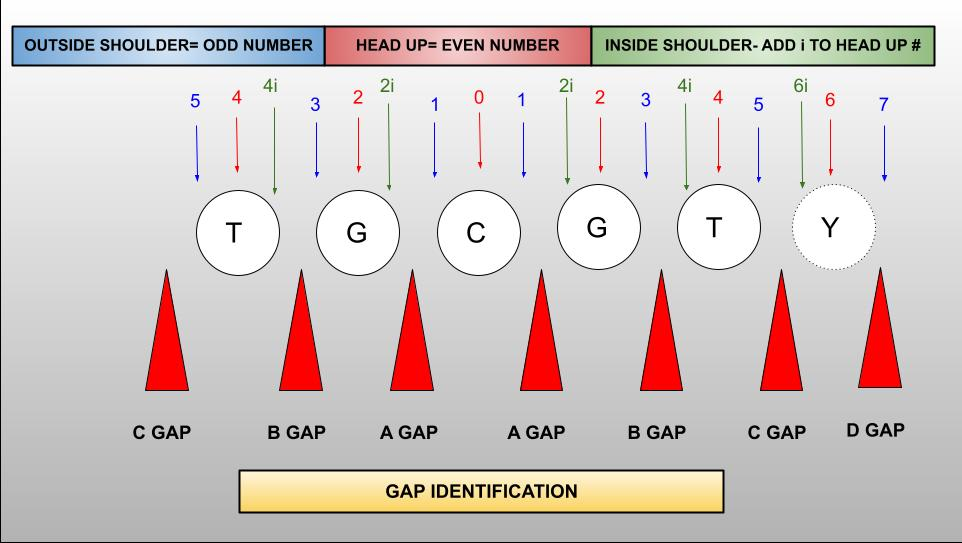
Coaches use a universal numbering system to communicate alignments clearly:
- Head-up alignments (even numbers): 0 over the center, 2 over the guard, 4 over the tackle, 6 over the tight end.
- Inside alignments (add “I”): 2I or 4I on the inside shoulders of guards or tackles.
- Outside alignments (odd numbers): 1 outside the center, 3 outside the guard, 5 outside the tackle, 7 outside the tight end.
- Wide alignments: A wide 9 is used for edge rushers lined up far outside the tight end.
This numbering system ensures consistency and gives coaches a reliable way to shift fronts.
Installing 4-3 Defensive Fronts
Different fronts in the 4-3 serve different purposes depending on the offense you face.
Over Front in the 4-3 Defense

The over front shifts strength toward the tight end side. The defensive tackle lines up in a 3-technique on the strong side, while the nose tackle plays a 1-technique on the weak side.
Defensive ends usually play 5-techniques but can adjust depending on whether there is a tight end. If no tight end is present, you can set the strength to the field or toward the running back. A common variation, the G front, moves the nose to a 2I, making it harder for the center to release and giving you an edge against zone blocking.
Under Front Alignment

The under front shifts strength away from the tight end. The weak-side defensive tackle plays in a 3-technique, while the defensive end next to him plays a 5.
The nose remains in a 1-technique, and the strong-side end aligns head-up or just outside the tight end. This builds a defensive wall on the weak side and creates opportunities for linebackers to attack downhill.
33 Front

The 33 front puts both defensive tackles in 3-techniques. This creates immediate interior pressure and forces quarterbacks to step up or roll toward defensive ends.
It works especially well against spread teams or QBs who struggle under pressure in the pocket.
2i Front

In the 2i front, both defensive tackles align inside the guards. This plugs both A gaps and disrupts inside runs.
The alignment also provides linebackers with clean reads and room to scrape, making it a strong option against power run teams.
Aligning Linebackers in the 4-3 Defense
Linebackers must align correctly to hold up against both the run and the pass. Using the same numbering concept as the defensive line makes it easier to teach.
Linebacker Technique Numbers
Linebackers take the same numbers as defensive linemen but add a zero. The Sam might line up in a 10-technique, the Mike in a 30, and the Will in a 50.
This method keeps teaching consistent and makes pre-snap communication easier for players.
Apex Alignment for Flexibility
Against spread formations, linebackers often “apex” their alignment. This means aligning halfway between the offensive tackle and the slot receiver.
From this position, they can defend both the run and quick passes. The key is maintaining proper depth, reading the backfield, and reacting with discipline rather than guessing.
Pairing 4-3 Fronts & Coverages
Fronts must always match with coverages to create a balanced defense. Here are the most common coverages paired with the 4-3.
Cover 2 In The 4-3 Defense

Cover 2 uses two safeties, splitting the deep field. Corners jam receivers with outside leverage, then drop into the flats.
The Mike and Will cover hook-to-curl zones, while the Sam helps cover the short middle. Coaches often remind corners to “Force, Funnel, Flat” — force runs back inside, funnel receivers to help, and drop into the flat zone.
Cover 4 (Quarters Coverage)

Cover 4 splits the deep field into quarters, with each safety and corner taking one zone. This makes it ideal against deep passing plays and long-yardage situations.
Because only three defenders remain underneath, linebackers must cover more ground. Spacing and anticipation are crucial for this coverage to succeed.
Cover 3

Cover 3 is a single-high safety look. The free safety takes the deep middle, while corners cover outside thirds.
The strong safety drops into the box for run support, while the Sam and Mike play curl zones, and the Will covers the flat. This is a simple, effective coverage that balances run defense with pass protection.
Stunts & Blitzes in the 4-3 Defense
Adding stunts and blitzes makes the 4-3 more dynamic without overwhelming players.
Tan and NAT Stunts

In the Tan stunt, the tackle attacks the A gap while the nose loops into the B gap. This forces the offensive line to adjust quickly.

The NAT stunt reverses the roles, with the nose penetrating first and the tackle looping behind him. The NAT requires more precision and can be risky if not executed correctly.
If offenses attack a specific gap, you can slant the defensive line or send a linebacker blitz into that area. Slanting defensive ends inward while sending a linebacker through the gap can quickly close off running lanes.
Coaches often give these blitzes simple names for recall, such as “Maybe” for a Mike blitz through the B gap.
Fire Zone Blitz from the 4-3

A fire zone blitz applies edge pressure from a linebacker or safety while rotating into a 3-deep, 3-under coverage. This allows you to pressure quarterbacks without leaving your secondary exposed.
Players must understand how their coverage responsibilities shift when one defender blitzes and another drops into coverage.
Get Your Free Practice Template
Choose your high school or youth practice template below to start running more organized practices.